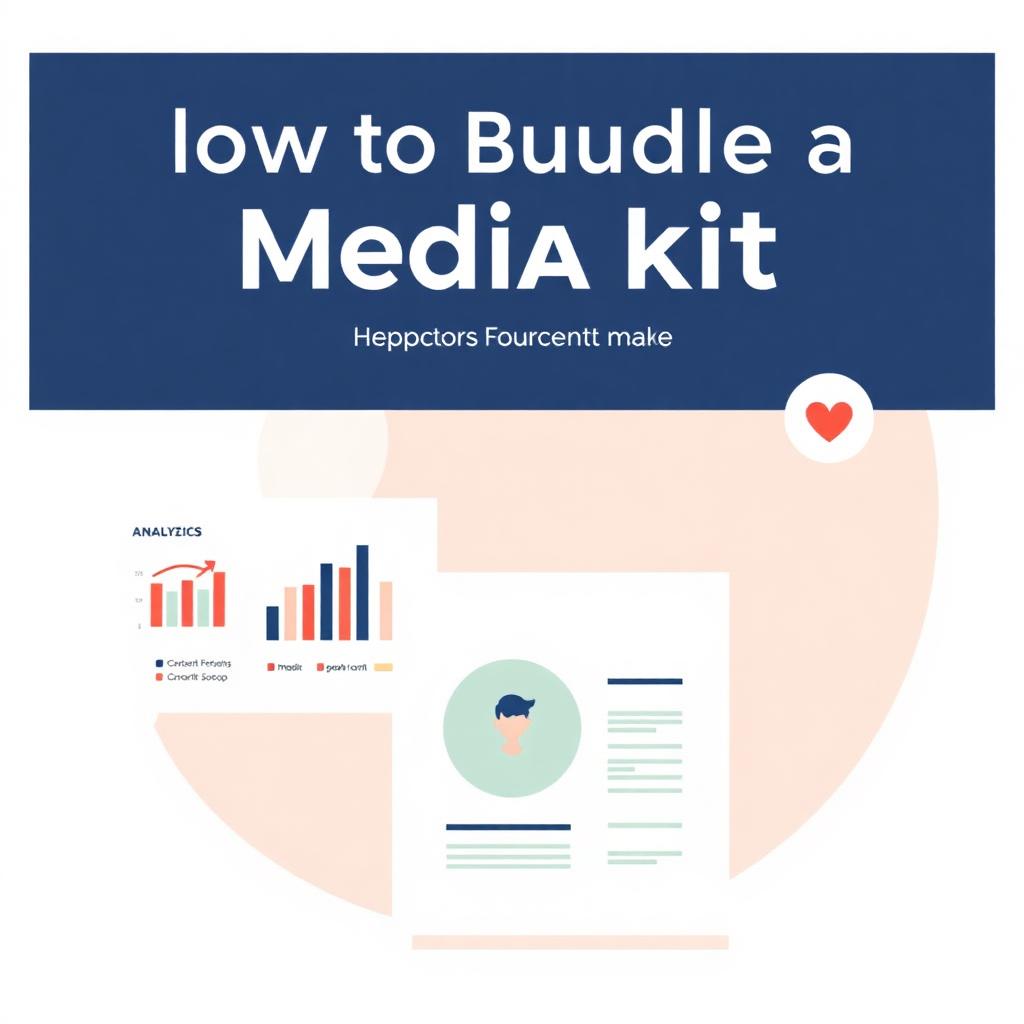
How to Build a Professional Media Kit as a Content Creator in 2026
Your media kit is your professional resume in the creator economy. It's the single document that can make or break a brand deal — yet most creators either don't have one or use outdated, generic templates. In 2026, a professional media kit is no longer optional.
What Is a Media Kit & Why You Need One
A media kit is a curated document that showcases your value as a creator to potential brand partners. It includes your audience data, content style, past collaborations, and rates. Think of it as your pitch deck.
- First impressions matter: 82% of brand managers say a media kit is the first thing they review
- Saves time: Eliminates back-and-forth questions about your stats and rates
- Shows professionalism: Sets you apart from creators who just DM their follower count
- Justifies your rates: Data-backed presentations command higher budgets
Key Insight
Creators with a professional media kit earn on average 40% more per collaboration than those without one, according to Creator Economy benchmarks.
Essential Sections of a Winning Media Kit
- Bio & brand story: A compelling 2-3 sentence introduction of who you are and what you stand for
- Audience demographics: Age range, gender split, top locations, and interests
- Key metrics: Follower count, engagement rate, average views/reach, and authenticity score
- Content categories: Your niches and content styles (lifestyle, tech, fitness, etc.)
- Past collaborations: Logos or case studies of brands you've worked with
- Portfolio highlights: Your best-performing content pieces with results
- Services & rates: Clear pricing for different deliverable types
- Contact information: Professional email and social handles
Design Tips for Maximum Impact
- Keep it visual: Use charts, screenshots, and brand colors — not walls of text
- One page is ideal: For initial outreach; a 2-3 page version for deeper conversations
- PDF format: Universal, professional, and maintains your design across devices
- Mobile-friendly: Many brand managers review on their phones
- Update monthly: Stale data undermines your credibility
Metrics That Actually Matter to Brands
Not all numbers impress equally. Brands in 2026 care most about:
- Engagement rate: More important than follower count — shows real audience connection
- Authenticity score: AI-verified metrics that prove your followers are real
- Audience demographics: Brands need to know if your audience matches their target market
- Content performance: Average views, saves, shares — not just likes
- Conversion data: If you have it, link clicks and sales attribution are gold
Common Media Kit Mistakes to Avoid
- Inflated numbers: Brands verify — dishonesty destroys trust instantly
- No rates listed: Forces unnecessary negotiation rounds
- Generic templates: Your media kit should reflect your personal brand
- Missing portfolio: Show don't tell — include your best work
- Outdated metrics: Nothing says "inactive" like 6-month-old data
Tools to Build Your Media Kit
In 2026, you don't need to design everything from scratch:
- Platform-integrated kits: Tools like CollabSmart auto-generate media kits from your verified profile data
- Canva templates: Good starting point but require manual data entry
- Notion/Google Slides: Flexible but lack professional polish
- AI-powered generators: Auto-pull metrics and create dynamic, always-updated documents
Related Articles
How to Choose the Best Social Platforms for Your Niche as a Creator in 2026

Alternative Monetization for Creators: Beyond Brand Deals in 2026

How to Negotiate Fair Contracts as a Content Creator in 2026
Powered by CollabSmart's proprietary AI engine — Built for Trust, Verified by Technology.